Navigating Cross-League Alert Triggers Linking Pitch Counts to Service Breaks and Stretch Calls in App-Driven Reward Crossovers
Written by Theo Zimmermann · Oct 4, 2026
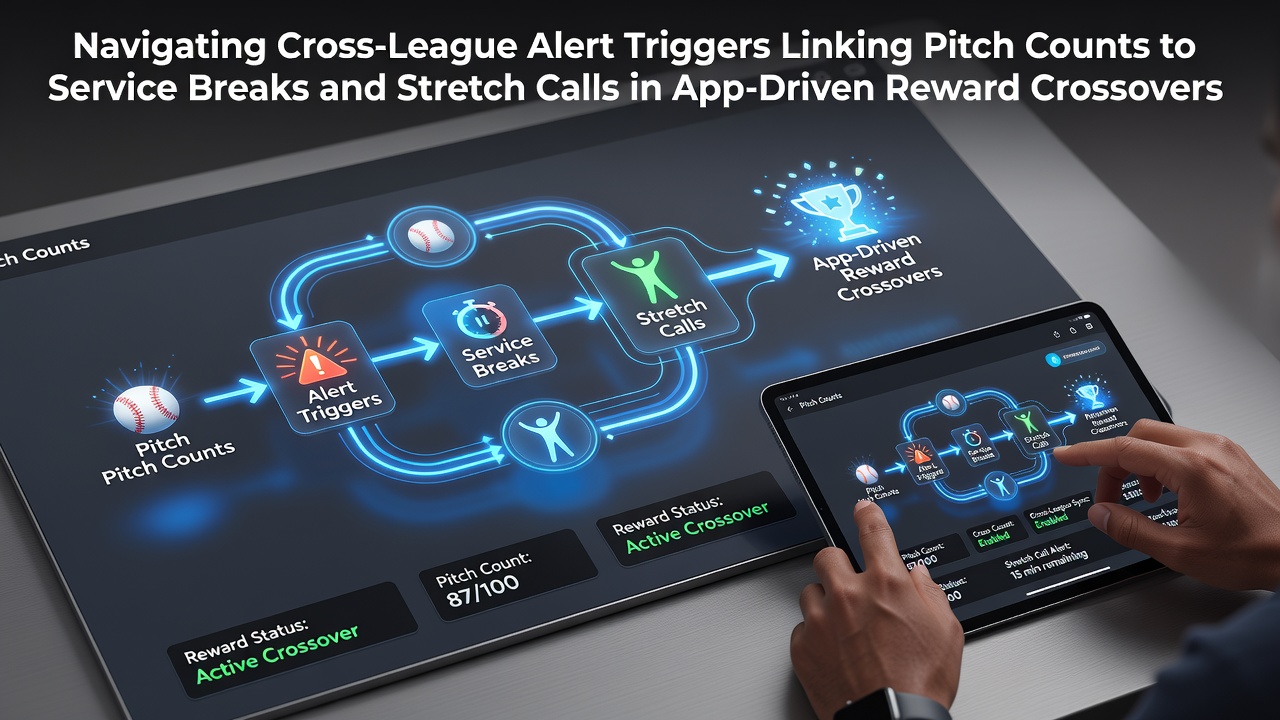
Navigating Cross-League Alert Triggers Linking Pitch Counts to Service Breaks and Stretch Calls in App-Driven Reward Crossovers
Digital platforms in 2026 integrate alert systems that connect baseball pitch counts with tennis service breaks and basketball stretch calls through app-driven reward mechanisms, creating unified tracking across multiple leagues. Data from operator reports shows these triggers activate loyalty bonuses when thresholds align, such as a pitcher reaching 80 pitches coinciding with a tennis player's service break opportunity or a basketball team entering stretch time. Observers note that mobile applications pull real-time feeds from MLB, ATP, and NBA sources to synchronize these events, allowing users to receive notifications that convert into crossover credits redeemable across betting and casino sections.
Core Mechanics of Alert Synchronization
Systems process pitch counts as numeric milestones that feed into broader event matrices, where a 100-pitch mark in baseball can overlap with a tennis set reaching deuce or a basketball quarter entering its final minutes. Industry figures reveal that apps employ API connections to monitor these variables simultaneously, triggering rewards when two or more conditions meet predefined criteria within teh same session window. Those who monitor platform updates indicate that October 2026 saw increased adoption of these features following league schedule overlaps, with handle data reflecting higher engagement during concurrent MLB playoffs, tennis tournaments, and NBA preseason games.
Engineers design the logic so that service break alerts in tennis pair with stretch call opportunities in basketball through shared time stamps, while pitch count data serves as the anchor metric because of its granular nature. Research from academic sources on sports data integration demonstrates that such linkages reduce notification fatigue by consolidating alerts into single crossover messages rather than separate league-specific pings. Users receive prompts that detail the combined trigger and the associated reward value, which platforms calculate based on account activity levels and historical crossover participation rates.
Implementation Across Major Platforms
Leading operators embed these alert frameworks within loyalty modules that span sports and table game environments, pulling statistics directly from official league feeds. According to reports issued by the Nevada Gaming Control Board, platforms operating in regulated U.S. markets documented measurable upticks in session duration when cross-league triggers activated during multi-sport evenings. The same datasets indicate that reward redemptions tied to pitch-service-stretch combinations accounted for a growing share of bonus activity in the third quarter of 2026.
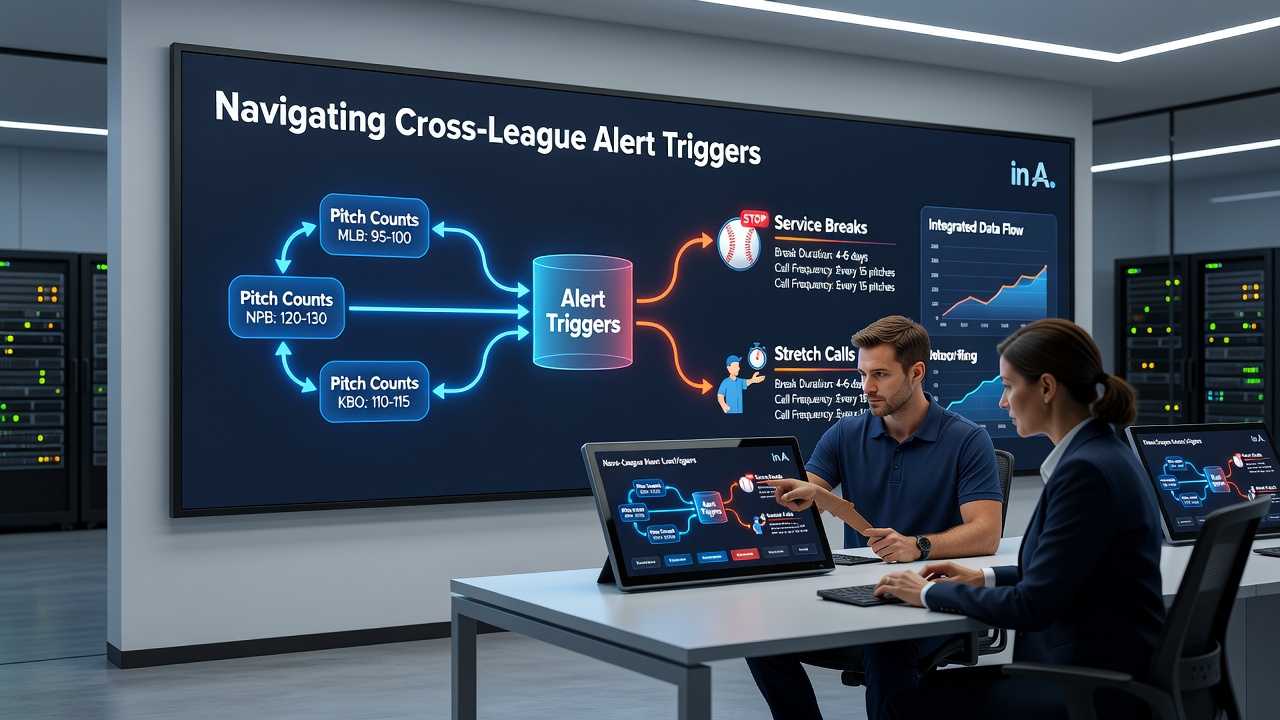
European operators follow similar patterns but adjust thresholds to accommodate different regulatory requirements on bonus structures. A study published by the European Gaming and Betting Association outlines how time-zone adjustments and league calendar variations influence trigger frequency, with October schedules producing distinct alignment opportunities compared to summer months. Users in these markets encounter the same core logic, yet localized reward pools reflect regional preferences for specific sports combinations.
Data Flows and Technical Integration
Real-time data pipelines transmit pitch totals, service break probabilities, and stretch call windows into centralized processing engines that apply rule sets before pushing notifications. Platform documentation confirms that latency remains under two seconds for most major leagues, enabling near-instant reward eligibility updates. Those analyzing system logs report that error rates stay low when feeds originate from verified league partners, though occasional discrepancies arise during weather delays or schedule changes common in October play.
Security protocols encrypt these data streams to comply with privacy standards, while audit trails record every trigger event for regulatory review. Figures released by the Canadian Gaming Association show that platforms utilizing these integrated alerts maintained compliance rates above 98 percent during 2026 inspections, attributing the results to standardized logging practices across baseball, tennis, and basketball feeds.
User Experience Patterns
Account holders encounter these alerts through customizable dashboards that highlight active crossover opportunities without overwhelming primary betting interfaces. Platform analytics indicate that participants who enable multi-league notifications complete more reward cycles than those using single-sport settings. October 2026 data further illustrates that peak activity clustered around evenings when MLB postseason games overlapped with ATP finals and NBA exhibition matchups, producing higher volumes of combined pitch-service-stretch triggers.
Support teams document common user queries around threshold explanations and reward valuation, with operators responding through in-app guides that detail the logic behind each alert. These resources reference official league statistics to maintain transparency, directing users to verified sources for deeper metric exploration.
Conclusion
Cross-league alert systems continue to evolve as operators refine the connections between pitch counts, service breaks, and stretch calls within app-based reward structures. Data collected through 2026 demonstrates consistent integration across regulated markets, supported by technical standards and compliance frameworks from bodies such as the Nevada Gaming Control Board and the European Gaming and Betting Association. Platforms maintain these features through ongoing API partnerships and user feedback loops, resulting in synchronized experiences that span baseball, tennis, and basketball activities.