Cross-Sport Data Flows Linking Field Plays, Track Results, and Table Outcomes Inside Mobile Reward Ecosystems
Written by Wendy Keller · Nov 15, 2026
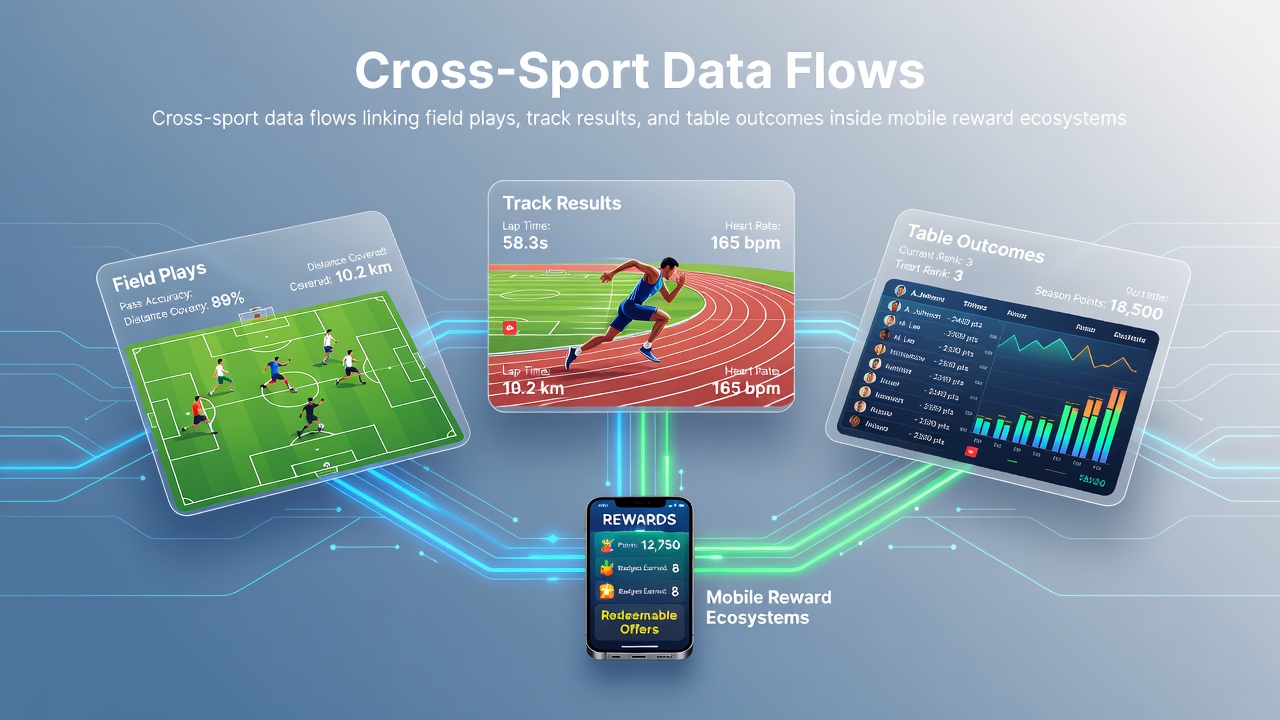
Cross-Sport Data Flows Linking Field Plays, Track Results, and Table Outcomes Inside Mobile Reward Ecosystems
Platforms in mobile reward ecosystems process continuous data streams that connect field-based athletic events with track competitions and table game results, creating unified systems where user activity across categories updates reward balances in real time. These flows rely on standardized APIs that pull live statistics from multiple sources, including player performance metrics during gridiron drives, finishing times at racetracks, and card outcomes at virtual tables, then route the information into centralized loyalty ledgers.
Core Mechanisms of Data Integration
Application backends receive structured feeds from sports leagues and gaming operators through secure protocols that timestamp each event down to the millisecond, allowing simultaneous processing of a completed forward pass on a football field, a photo-finish at a thoroughbred meet, and a dealer draw in blackjack. Developers implement event listeners that normalize these inputs into common data schemas so that points earned from one category automatically adjust thresholds in others without manual intervention.
November 2026 schedules show overlapping seasons that intensify these connections, with late-season football contests running alongside indoor track meets and ongoing table game promotions, while backend systems handle the resulting volume spikes through distributed cloud nodes. Observers note that latency remains under 200 milliseconds across major operators because edge computing caches frequently accessed statistics near user locations.
Practical Examples of Cross-Category Linkages
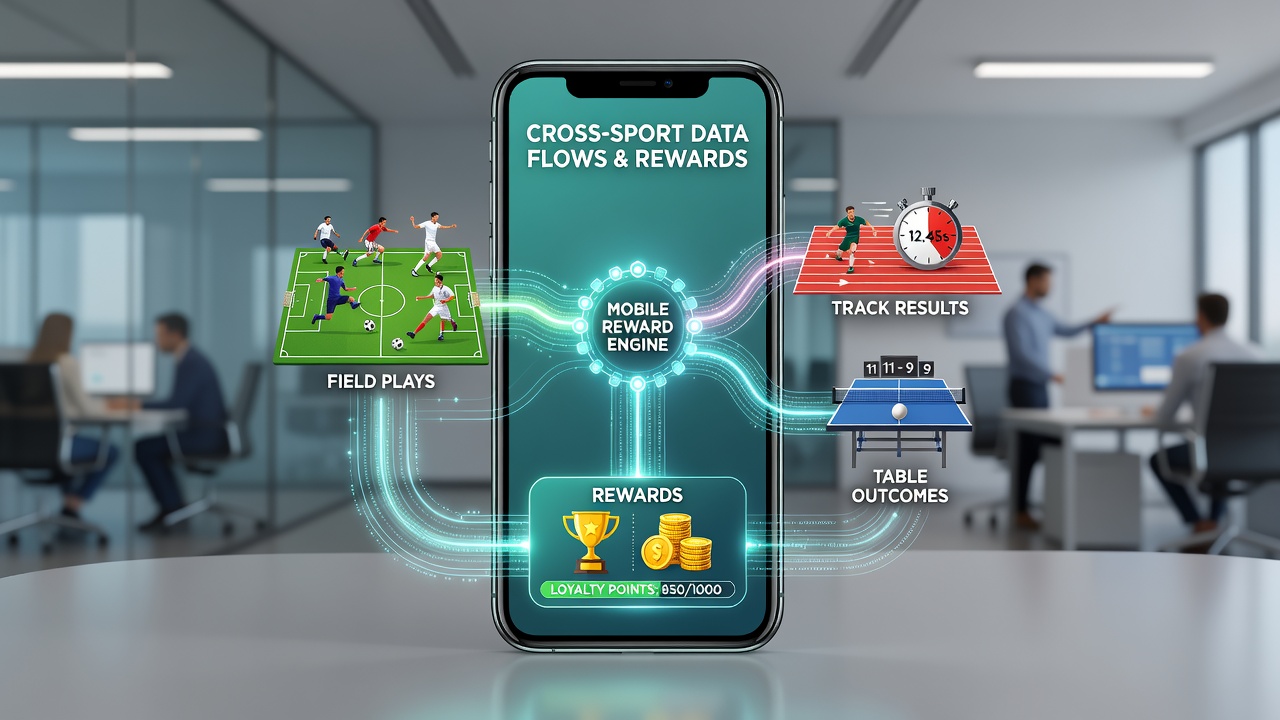
One documented flow begins when a quarterback completes a long touchdown pass, triggering an immediate increment to a user's progress bar that also counts toward a separate multiplier available only after a horse placed in the money at a concurrent race; the same balance then unlocks a bonus spin on a roulette wheel inside the integrated casino module. Data pipelines achieve this by tagging each incoming record with category identifiers that map directly to reward rules stored in a shared rules engine.
Researchers at academic institutions tracking these patterns have recorded average daily transaction volumes exceeding 12 million cross-category updates during peak months, according to aggregated telemetry released by platform operators. Regulatory filings from the Alcohol and Gaming Commission of Ontario confirm that licensed apps must maintain audit logs of every data handoff to ensure compliance with responsible gaming limits that span all product types.
Technical Standards and Infrastructure Requirements
Industry groups have adopted JSON-based message formats that include fields for event type, participant identifiers, outcome values, and timestamp precision, enabling seamless ingestion whether the source is a league data partner or an on-site timing system at a racetrack. Middleware layers apply transformation rules that convert raw inputs into loyalty-eligible units, then push the results to user profiles stored across redundant databases.
Security protocols encrypt each transmission segment and require multi-factor authentication for any administrative access to the routing logic, while monitoring dashboards flag anomalies such as sudden spikes in table game completions that might indicate synchronization errors with external sports feeds. Figures released by the Interactive Gambling Act oversight body in Australia show that operators investing in these layered protections report 99.8 percent uptime across integrated reward modules during the 2026 calendar year.
Scalability Considerations During High-Volume Periods
Peak overlap occurs when multiple professional leagues schedule events on the same evening and casino floors run simultaneous promotions, forcing systems to queue and prioritize updates without dropping records. Load-balancing algorithms distribute incoming packets across geographic server clusters, while predictive scaling provisions additional capacity based on historical patterns observed in prior seasons.
Those who maintain these infrastructures report that fallback mechanisms automatically reroute traffic through secondary pathways if primary feeds experience delays, preserving the continuity of reward calculations that depend on simultaneous recognition of field plays, track results, and table outcomes.
Conclusion
Mobile reward ecosystems continue to refine the technical linkages that allow data from field athletics, equine competitions, and table games to interact within single user accounts. These connections rest on standardized messaging, secure transmission, and real-time processing capabilities that have become standard requirements for licensed operators. As seasonal calendars produce recurring periods of high concurrency, the underlying data architectures demonstrate consistent performance in aggregating diverse event streams into coherent reward outcomes.